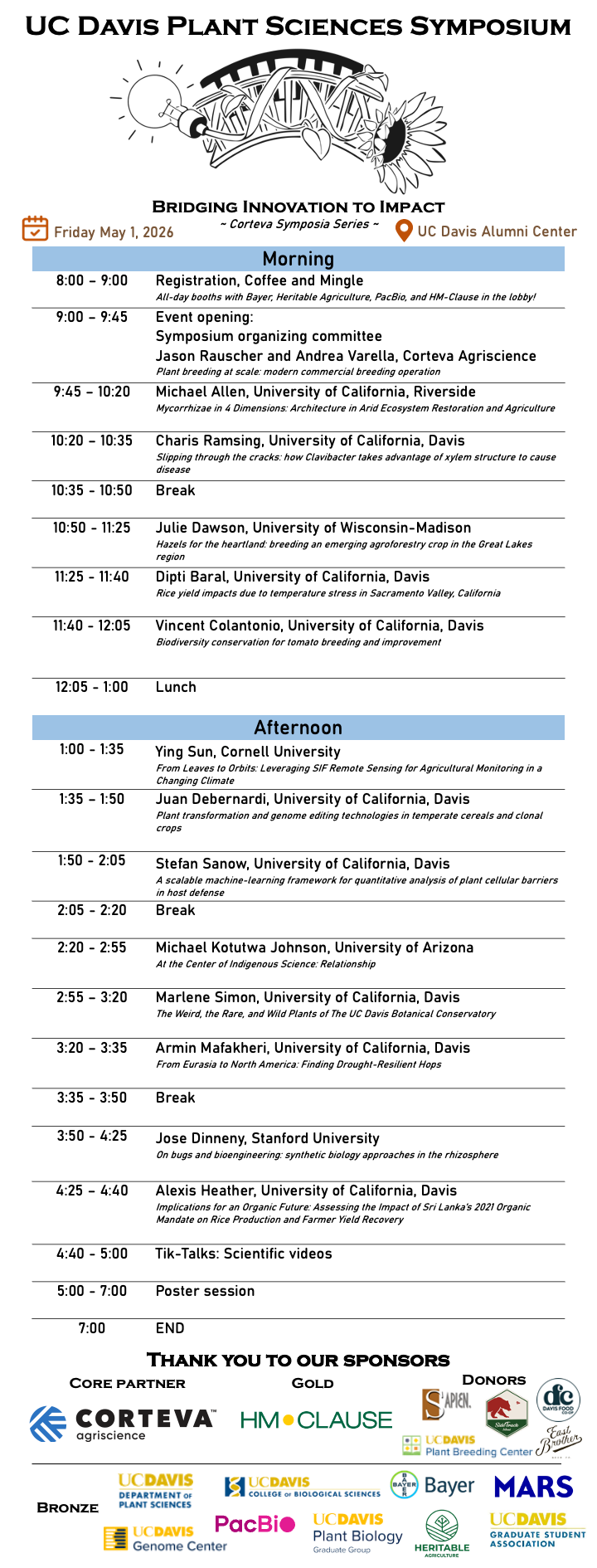
2026 Invited Speakers
Thank you to our invited speakers for sharing their exciting research!
-
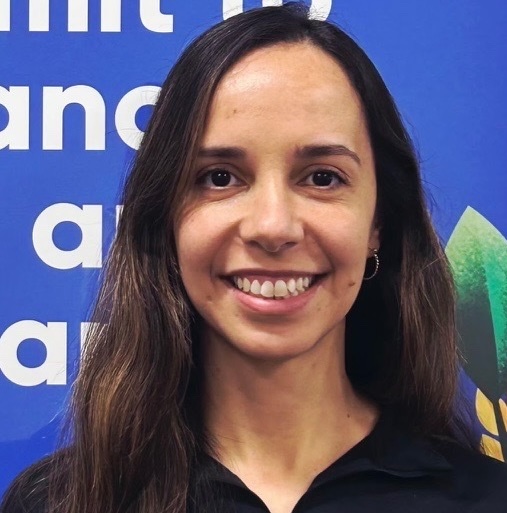
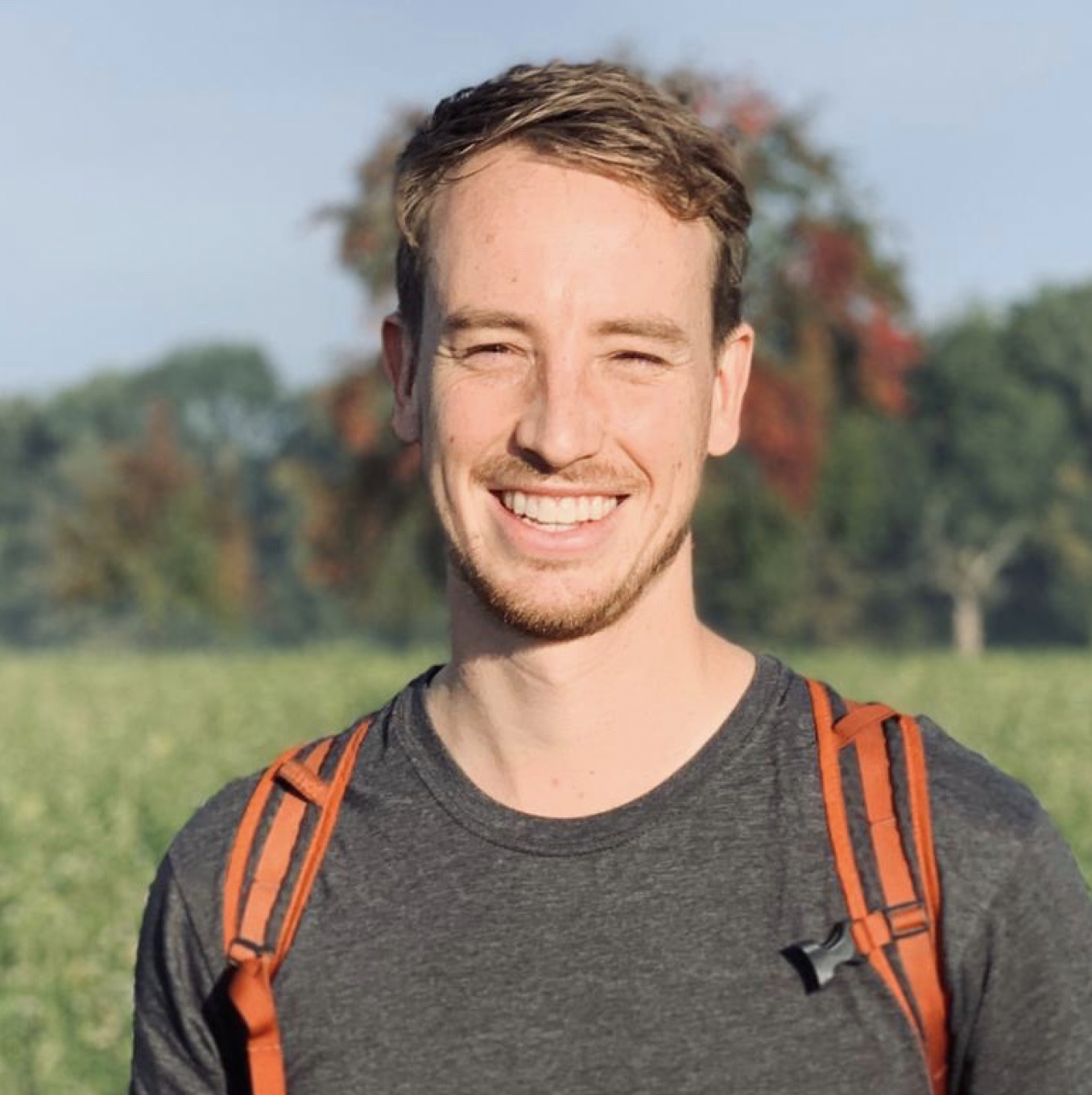
Andrea Varella
Featured Corteva Speaker
Dr. Andrea C. Varella is a Corn Breeding Scientist at Corteva Agriscience. She began her plant breeding career at Montana State University, earning a Ph.D. in Plant Breeding and Genetics and serving as a Postdoctoral Researcher. She later joined Limagrain as a wheat breeder in Western Canada, where she developed and implemented breeding strategies, technologies, and advanced germplasm to deliver improved varieties to growers. In 2022, she transitioned to a management role, leading Limagrain’s Cereals and Pulses Research teams across North America. In 2024, Andrea relocated to Eastern Canada to join Corteva Agriscience, where she now collaborates with a dynamic team of scientists to accelerate genetic gain in early maturity corn. In addition to her core breeding responsibilities, Andrea leads multiple initiatives to develop and implement advanced data collection strategies for disease resistance breeding.
-
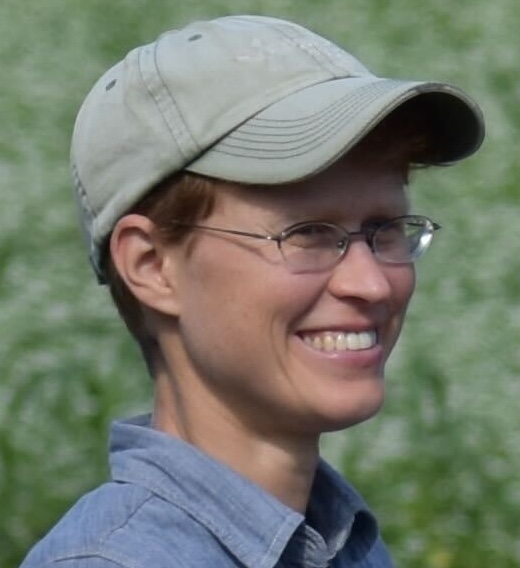
Julie Dawson
University of Wisconsin-Madison
Dr. Julie Dawson is a Professor in the Department of Plant and Agroecosystem Sciences at the University of Wisconsin-Madison, training students in plant breeding and plant genetics, horticulture, and agroecology graduate fields. Research interests include the use of genetic resources in plant breeding for organic systems and methods for participatory selection and variety development. She is also the state extension specialist for regional food systems and does applied research for growers serving local food markets.
-
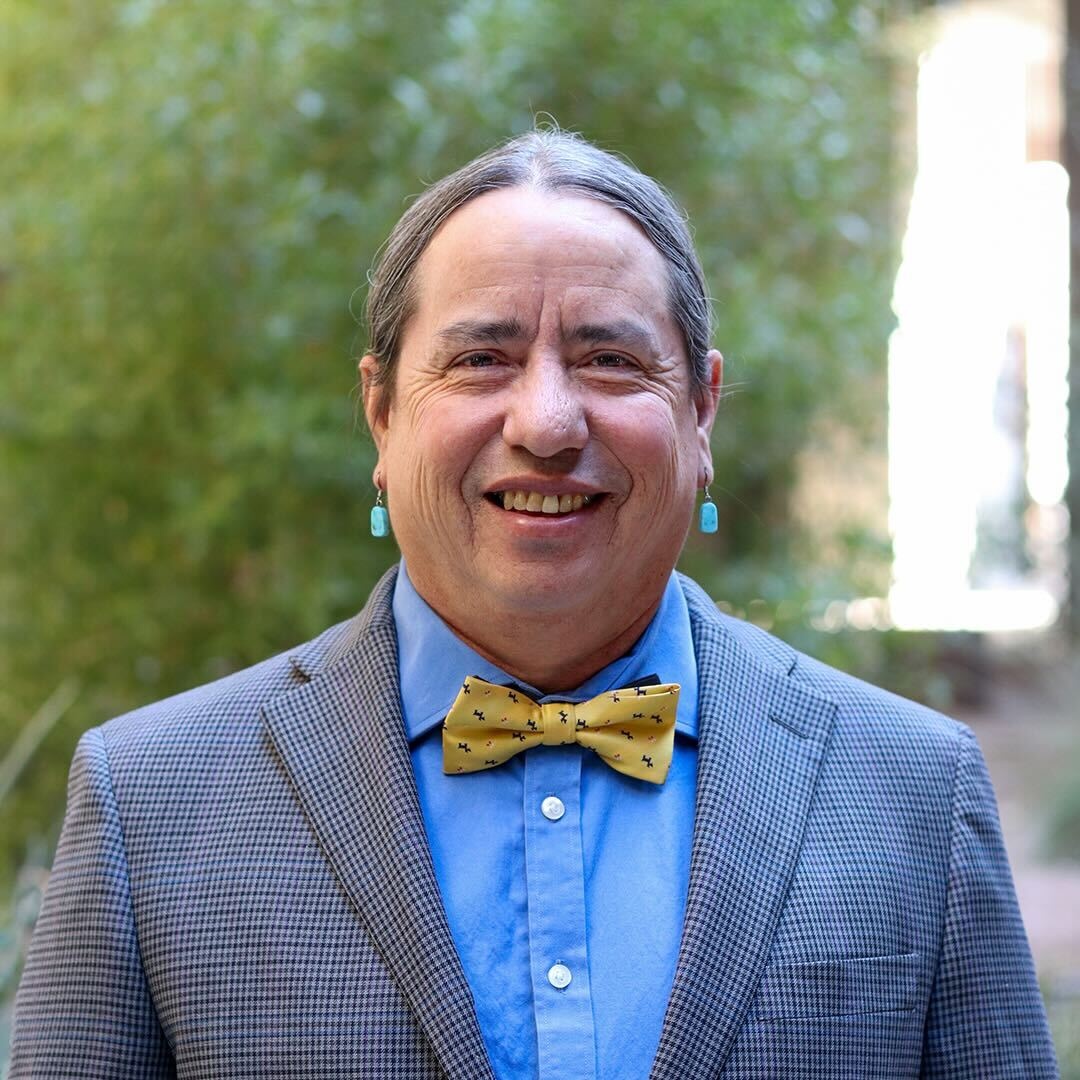
Michael Kotutwa Johnson
University of Arizona
Dr. Michael Kotutwa Johnson is an Assistant Professor/Extension Specialist of Indigenous Resilience at the University of Arizona’s School of Natural Resources and the Environment and a core faculty member of the Indigenous Resilience Center. Dr. Johnson is a Hopi tribal member and avid Hopi dryland farmer. He often mentions he is a 250th-generation Hopi farmer. His research focuses on Indigenous Land Use Management schemes, such as Indigenous agriculture and the intersections of policy, science, and law. His academic work consists of peer-reviewed journal articles and tribal outreach. He recently started the Fred Aptvi Foundation, focusing on growing traditional Hopi crops, establishing a community seed bank, and developing a Hopi youth agriculture program that includes the Hopi language.
-
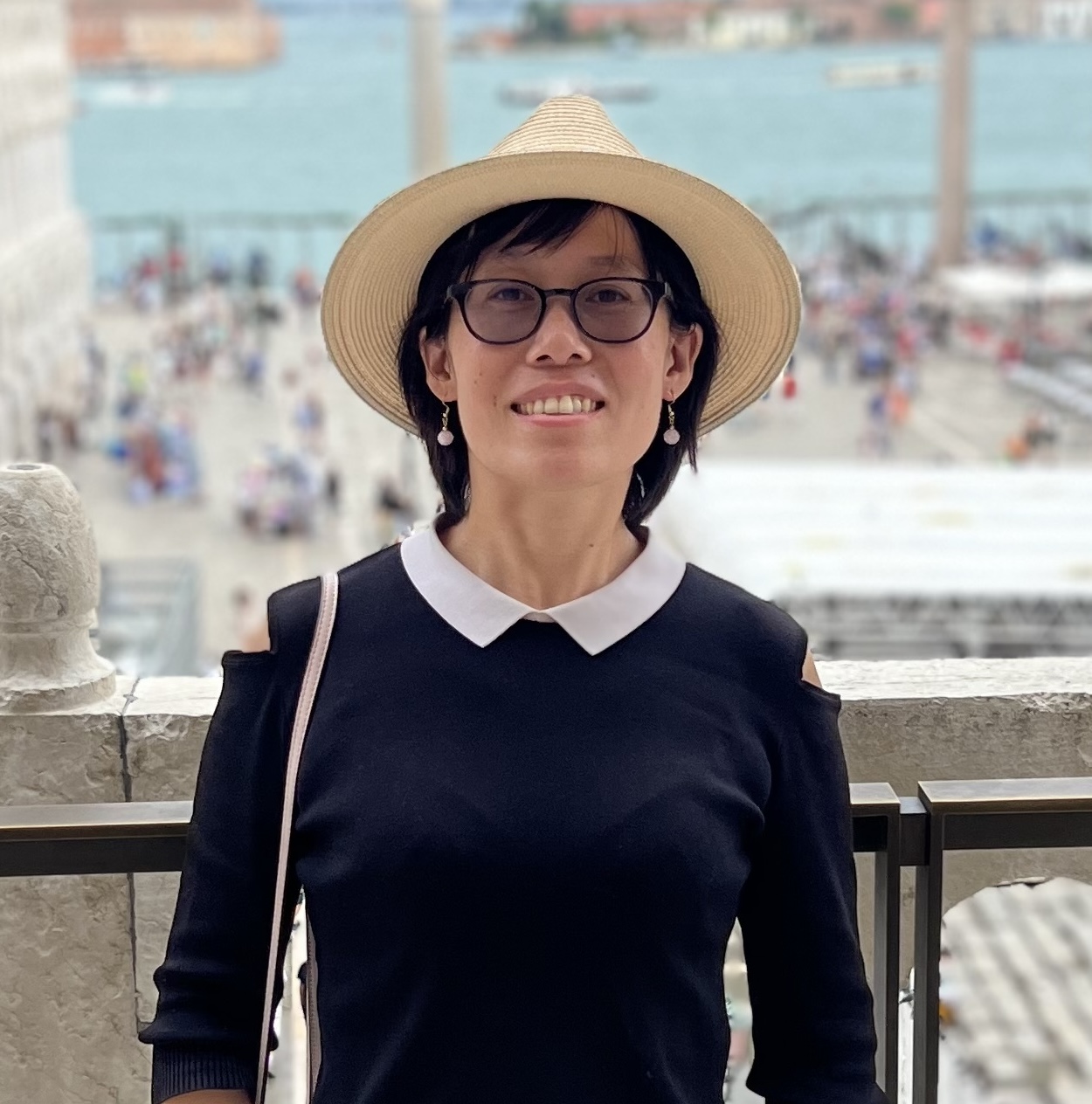
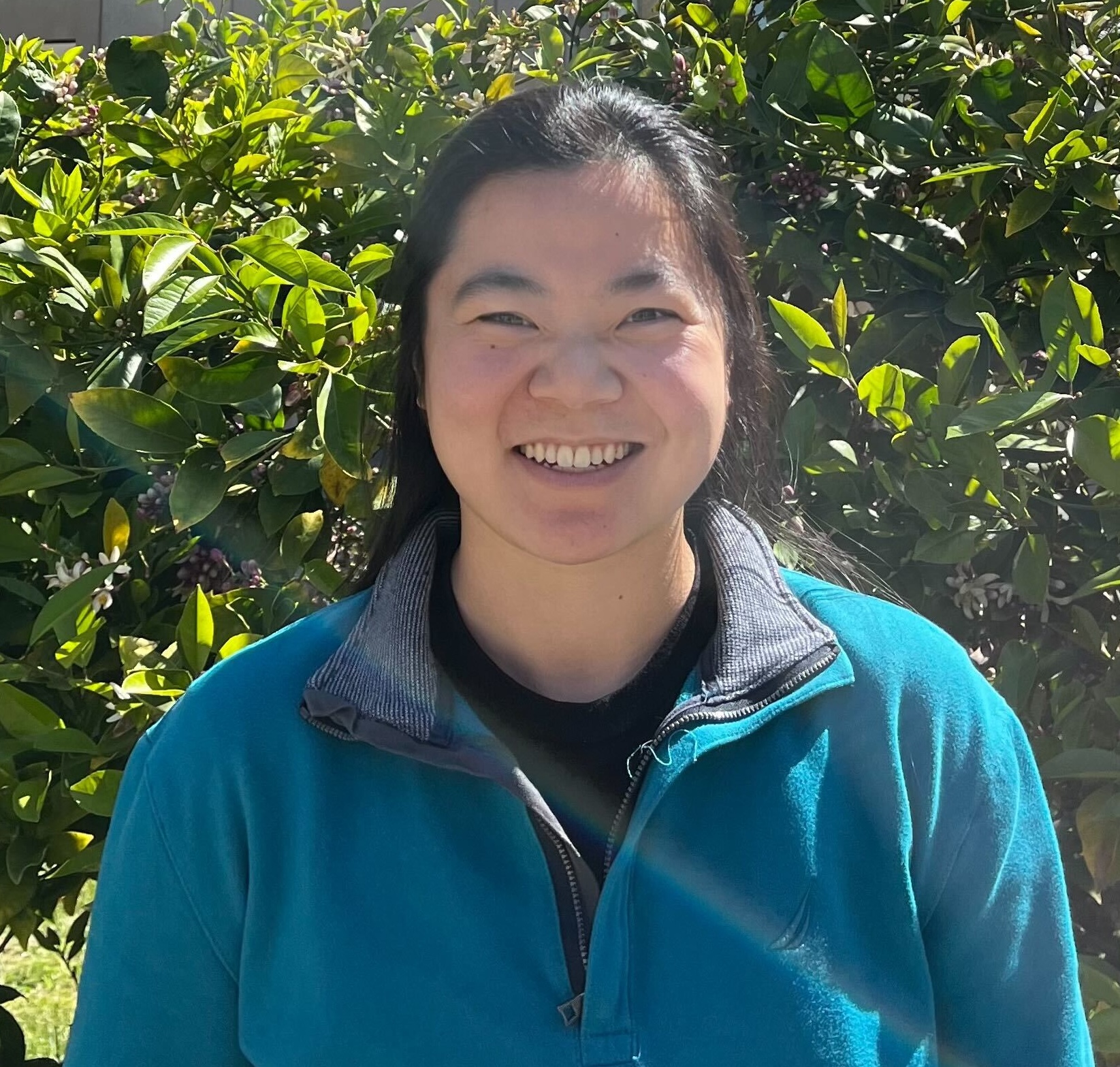
Ying Sun
Cornell University
Dr. Ying Sun is an associate professor in the School of Integrative Plant Science at Cornell University and a Faculty Fellow of Cornell Atkinson Center for Sustainability. Ying’s research program studies the role of terrestrial ecosystems in regulating climate-biosphere-hydrosphere interactions and applies mechanistic insights gained to generate societal benefits. Her research covers both natural and agricultural systems. Ying received her BS in GIS and remote sensing from Beijing Normal University in China in 2008 and PhD in climate science from the University of Texas Austin in 2013. She joined JPL/Caltech as a distinguished postdoc fellow before moving to Cornell. Ying is a recipient of the Early Career Fellow of the Ecological Society of America (ESA) and NASA Group Achievement Award of the OCO-2 Science Team.
-

José Dinneny
Stanford University
Dr. José Dinneny earned his BS in Plant Biology and Genetics from UC Berkeley. He pursued his Ph.D. at UC San Diego, under Detlef Weigel at the Salk Institute for Biological Studies and Martin Yanofsky in the Division of Biology, focusing on molecular genetic processes governing plant organ shape. As a post-doc, he joined the lab of Philip Benfey at Duke University, pioneering the use of Fluorescence Activated Cell Sorting (FACS) to create the first tissue-specific map of transcriptional changes during abiotic stress. José established his independent lab at the Temasek Lifesciences Laboratory (TLL) in Singapore, concurrently affiliated with the National University of Singapore’s Department of Biological Sciences. In 2011, he moved his lab to the Carnegie Institution for Science, Department of Plant Biology, and in 2018, he joined Stanford University as a Professor in the Biology Department. In 2024, he became an Investigator of the Howard Hughes Medical Institute.
-
Michael Allen
University of California, Riverside
Dr. Michael Allen is a distinguished professor emeritus at the University of California, Riverside. His research concentrates on understanding the effects of human activities on ecosystem biodiversity and functioning. Dr. Allen’s research has focused on three general areas: first, impacts of human activities on wildlands, especially perturbations on soil organisms and resources. Second, documenting how natural succession proceeds to inform ecosystem restoration. This has entailed research on Mount St. Helens, Alaskan Glaciers, mines, roadways, and tropical forests. Finally, bringing ecological science into the decision-making process. This has included work with the County of Riverside and southern CA regional agencies and efforts to incorporate ecosystem-management approaches into federal decision-making. Dr. Allen joined the faculty at UCR in 1998 and was recognized with the Distinguished Service Award in 2015. Prior, he served on the faculty of San Diego State U, Utah State U, and U of Nebraska. He has written, co-written and edited several books, including The Ecology of Mycorrhizae (1991), a foundational text in the field.
-
Marlene Simon
University of California, Davis - Botanical Conservatory
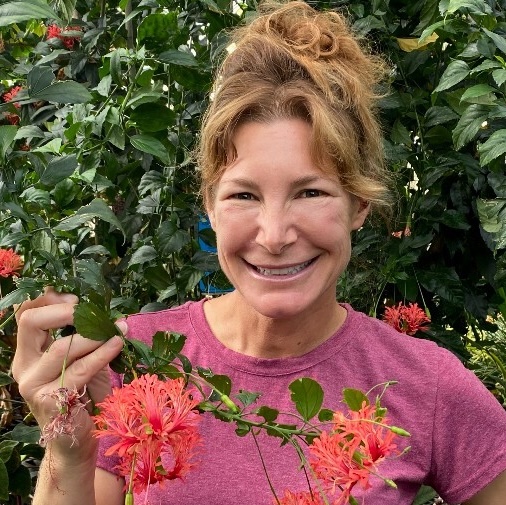
Marlene started gardening at the age of six when she would have her parents order bulbs off the backside of Parade Magazine. She continued her gardening experience with internships at Sunset magazine in their test garden and as a gardener at the Winchester Mystery House while a student. She is currently living her dream as the curator of the UC Davis Botanical Conservatory. It’s here where Marlene grows and cares for over 4,000 specimens of the world’s most exotic, strangest and rarest plants and flowers. In addition to years of practical experience, Marlene earned her degree in Horticulture at UC Davis. Her classroom is now her backyard sitting on 40 acres where she grows all sorts of plants. When not at the Conservatory she can be found bi-monthly on Good Day Sacramento where she is known as “The Plant Lady”. She is a former garden writer for the Sacramento Bee and has a podcast called Flower Power Garden Hour where she talks with guests on all things plants and gardening. She also lectures frequently on all aspects on gardening. In her spare time, her and her husband have a non-profit cat sanctuary – Lost Paws Feline Farm.
-
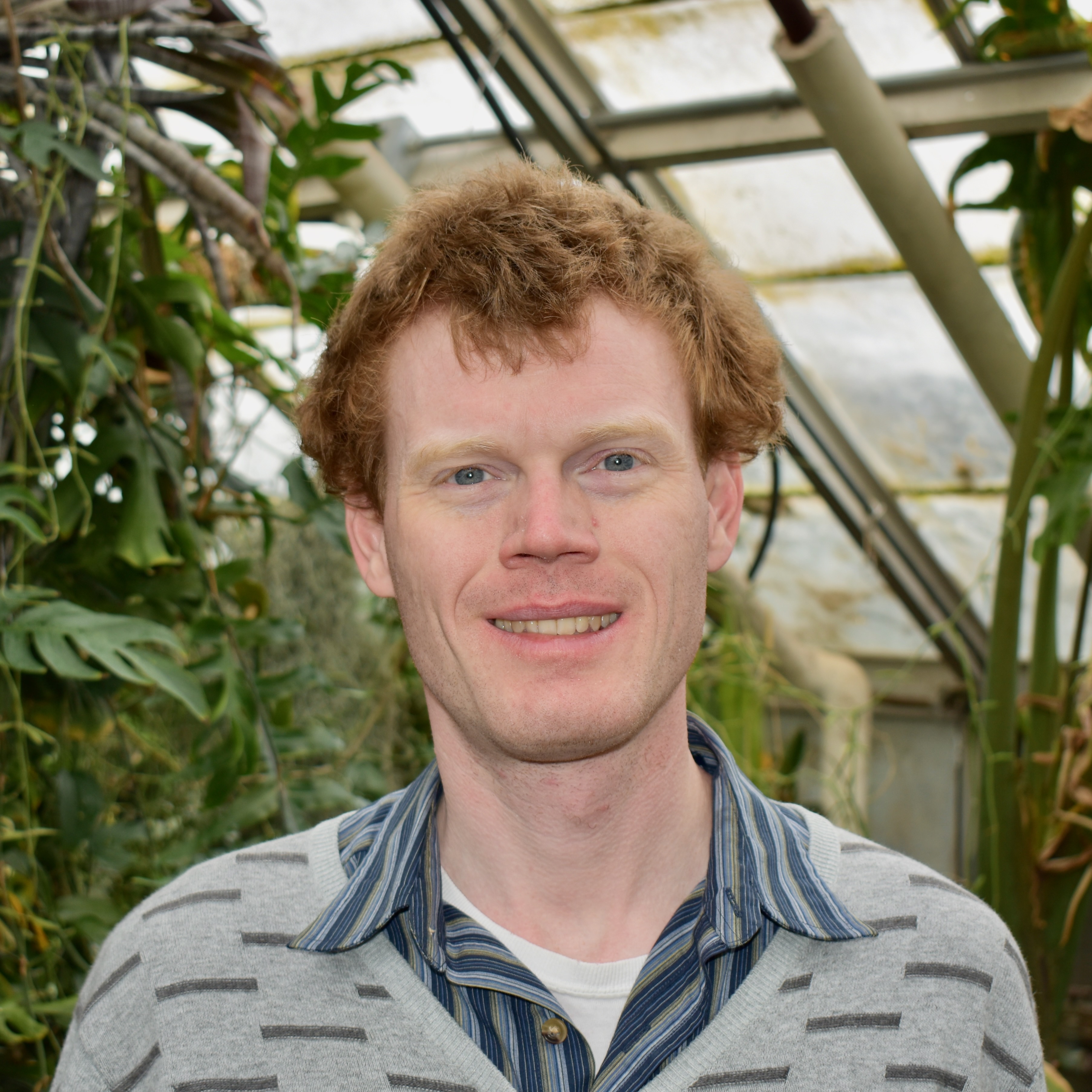
Vincent Colantonio
University of California, Davis - Tomato Genetics Resource Center
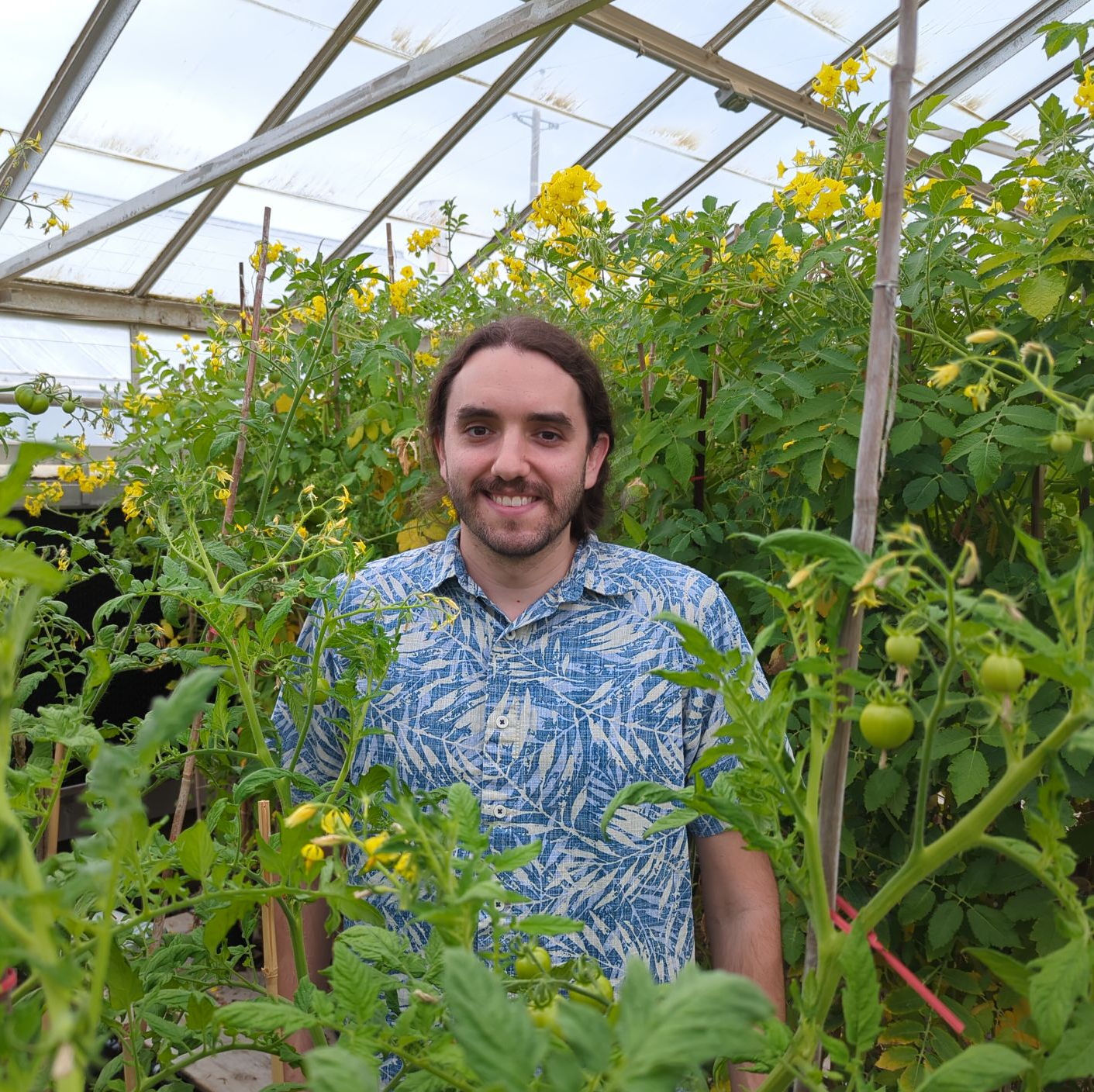
Dr. Vincent Colantonio is an Assistant Professor of Plant Genetics and the Director of the C.M. Rick Tomato Genetics Resource Center at UC Davis. The TGRC is a national and international gene bank that preserves tomato biodiversity and genetic stocks to facilitate tomato research, breeding, and education around the world. Dr. Colantonio’s current research focuses on the development of genomic resources and computational tools for mining genetic variation in tomato wild relative populations maintained at the TGRC. He leverages these resources to study how agronomically important traits evolve in wild plant populations and how to efficiently introgress useful variation into modern commercial breeding materials. Prior to joining UC Davis, he received his PhD from the University of Florida focusing on Plant Breeding and Genomics and was a Research Molecular Biologist at the USDA-ARS Plant, Soil, and Nutrition Research Unit in Ithaca, NY.
-
Juan Debernardi
University of California, Davis - Plant Transformation Facility
Dr. Juan Debernardi is a plant developmental and molecular biologist with a strong commitment to advancing crop improvement for sustainable agriculture. Juan earned his degree in Biotechnology and later a Ph.D. in Biological Sciences from the National University of Rosario (UNR), Argentina. In 2014, he joined Prof. Jorge Dubcovsky’s laboratory at UC Davis as a Human Frontier Science Program (HFSP) Postdoctoral Fellow, and later served as a Research Specialist supported by the Howard Hughes Medical Institute (HHMI). At UC Davis, Juan led a research team investigating the genetic networks that regulate wheat plant architecture and flowering time, and their impact on yield potential. During this time, he also co-developed the GRF–GIF technology, a widely adopted innovation that significantly enhances the recovery of gene-edited plants in wheat and other recalcitrant crops. Currently, Juan serves as Manager of the Plant Transformation Unit at UC Davis, where he coordinates plant transformation services and leads research initiatives aimed at improving gene-editing technologies and accelerating their application in crop improvement.
-
And more
from UC Davis
students and faculty!